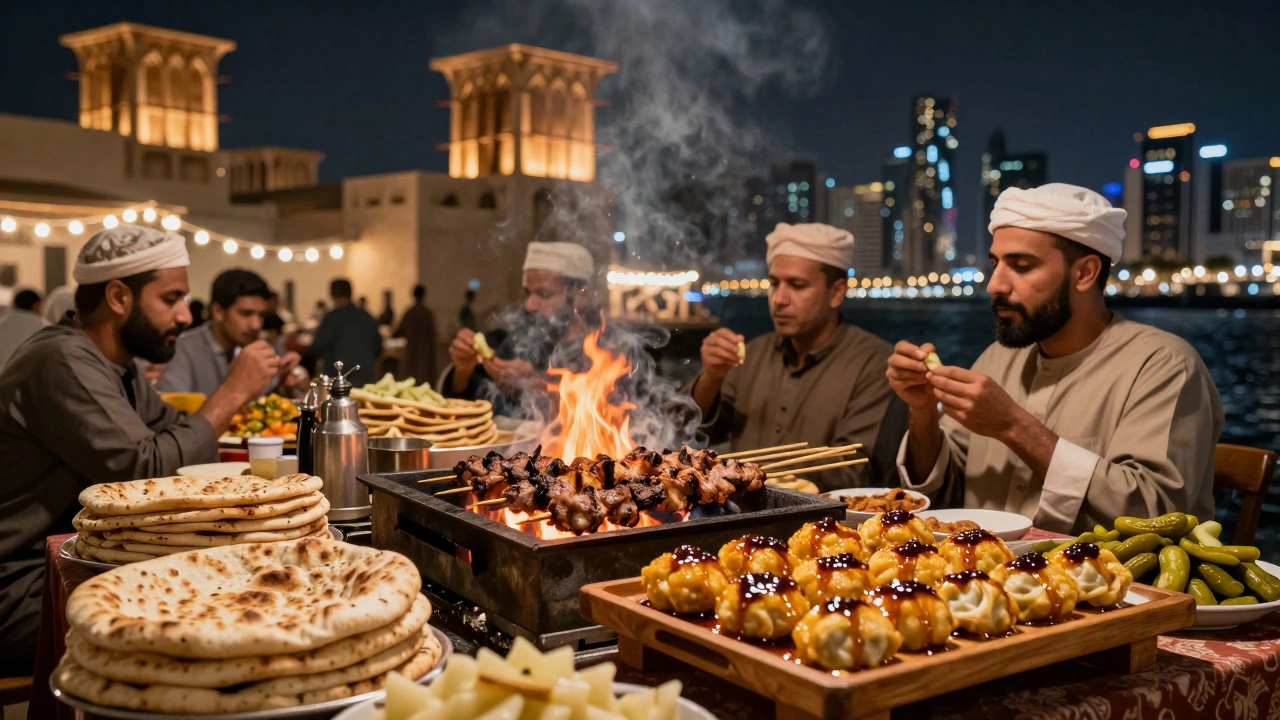
There’s a reason people fly to Dubai just to eat. It’s not the skyscrapers, not the desert safaris, not even the luxury malls-it’s the food. The city’s culinary scene is a living map of migration, trade, and tradition. From the spiced fragrances of Emirati harees simmering in slow pots to the sizzle of grilled fish fresh off the Arabian Gulf, every bite tells a story. And yes, if you’re wondering what to do after a long day of sightseeing, some travelers look into escort dubai services-but that’s not why you’re here. You’re here for the taste.
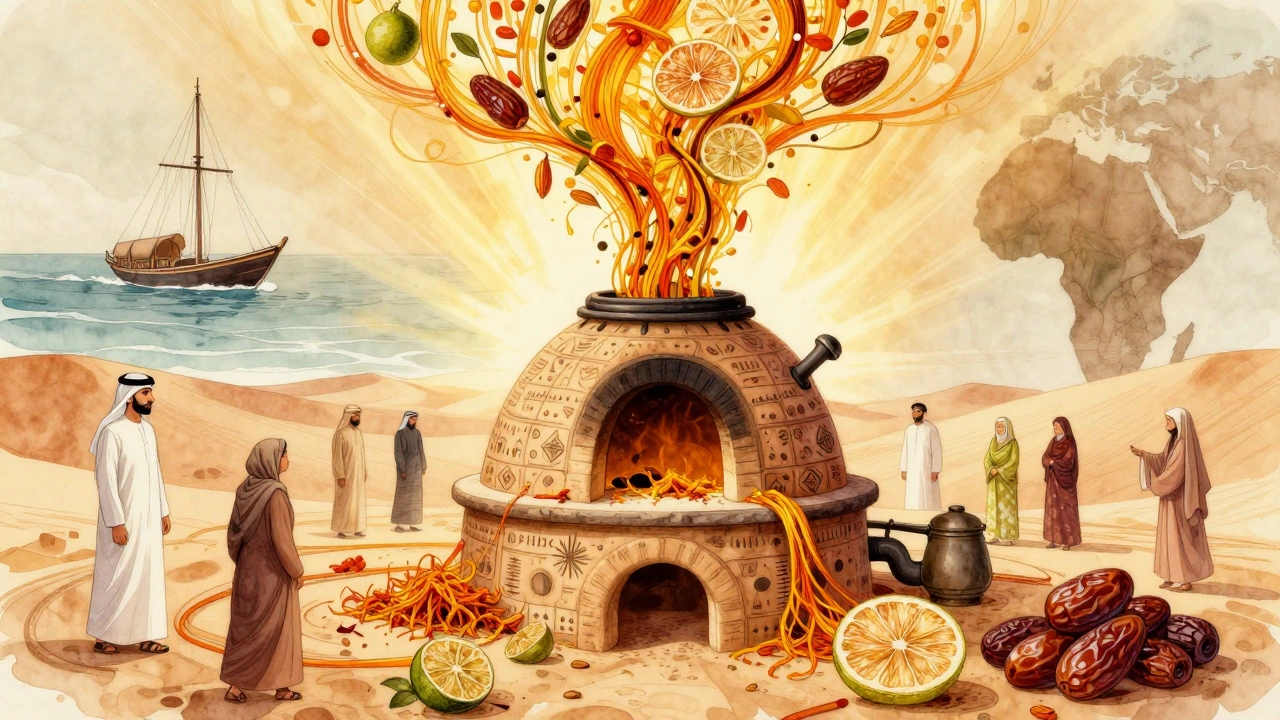
Dubai’s native cuisine doesn’t come from a single culture. It’s the result of centuries of sailors, merchants, and laborers bringing flavors from Persia, India, East Africa, and the Levant. You’ll find cardamom coffee served with dates at breakfast, not because it’s trendy, but because it’s how families have started their days for generations. The bread-khubz-is baked in a taboon oven, just like it was 200 years ago. It’s chewy, slightly smoky, and perfect for scooping up stews like machboos, a rice dish cooked with lamb, dried lime, and saffron.
What Makes Emirati Food Different From Other Gulf Cuisines?
People often lump Dubai’s food in with Saudi or Qatari dishes, but there’s a quiet difference. Emirati cooking leans heavier on seafood and dates. While Saudi cuisine uses more camel meat and ghee, Dubai’s coastal roots mean you’ll find more fish, shrimp, and crab. The spice blends are lighter too-not just heat, but balance. A pinch of dried limes adds sourness. Cardamom and rosewater aren’t just garnishes-they’re structural elements. Even the way rice is cooked matters: it’s steamed, not boiled, so each grain stays separate and absorbs flavor like a sponge.
One dish you won’t find anywhere else is balaleet. It’s sweet vermicelli noodles topped with an omelet, sprinkled with saffron and rosewater. Served for breakfast, it’s the kind of meal that confuses tourists but feels like home to locals. You’ll rarely see it on tourist menus, but if you ask a Emirati grandmother for it, she’ll make it for you. No menu. No price. Just hospitality.
Where to Eat Like a Local (Not a Tourist)
Forget the rooftop restaurants with $80 shawarma. The best food in Dubai is tucked into alleyways, behind gas stations, or inside family-run shops with no signs. Al Mallah in Deira is one of those places. No English menu. No photos on the wall. Just a man flipping flatbread over charcoal and a pot of lamb stew bubbling for hours. Order the machboos. Ask for extra dried lime. Watch how the cook pours the broth over the rice-that’s the trick to making it taste like it came from a desert campfire.
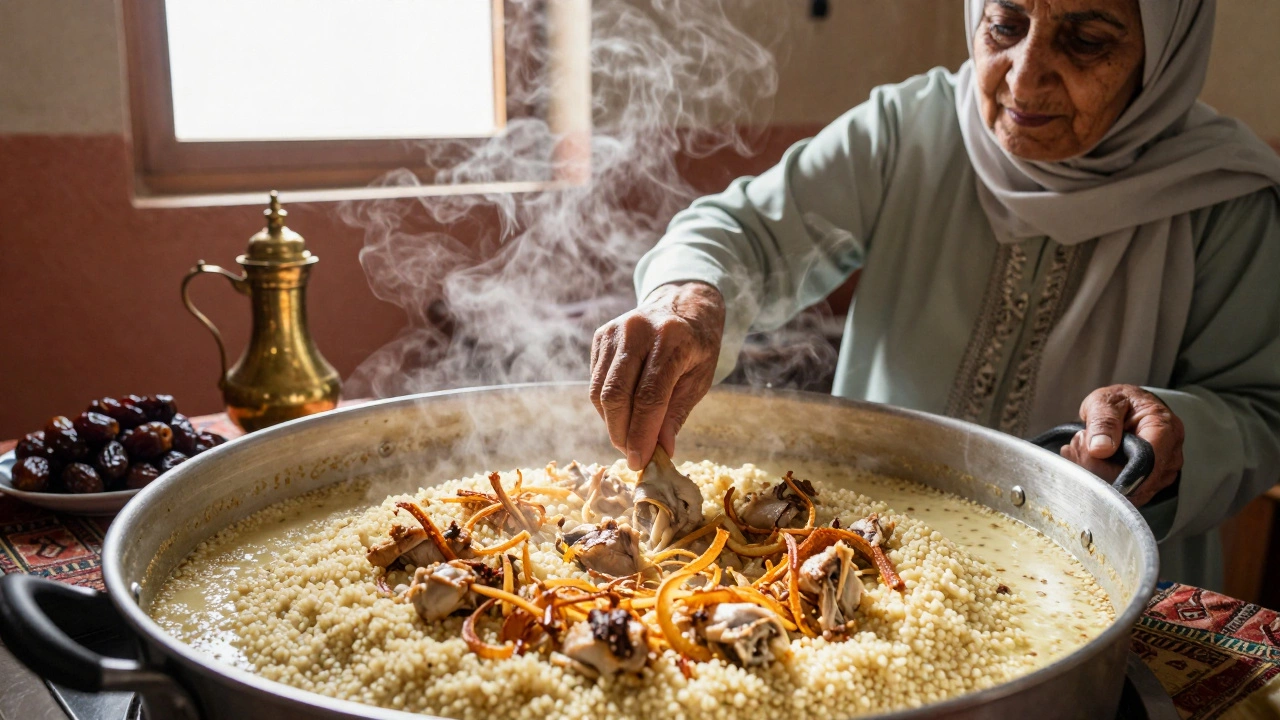
Another spot is Al Sabkha in Bur Dubai. It’s a tiny stall with five plastic chairs. They serve harees-cracked wheat cooked with chicken until it turns creamy, then topped with fried onions and cinnamon. It’s the kind of dish you eat slowly, savoring each spoonful. Locals come here after Friday prayers. Tourists? They don’t even know it exists.
The Role of Dates and Coffee in Daily Life
Dates aren’t just a snack in Dubai-they’re a symbol of welcome. You’ll be offered them when you enter a home, a shop, or even a car dealership. The most common variety is the Khudri, soft and caramel-like, or the Barhi, which is crisp and sweet. They’re often stuffed with almonds or wrapped in cheese. Don’t just eat them. Taste them. Notice how the texture changes from the first bite to the last.
Arabic coffee is another ritual. It’s brewed with cardamom, not sugar. The pot-dallah-is always silver or brass. You’ll be served three small cups. The first is strong. The second is balanced. The third is light, almost like tea. Refusing coffee is rude. Sipping too fast? Also rude. Take your time. Let the steam rise. Let the aroma fill your nose. That’s the point.
Street Food You Can’t Miss
At night, the food stalls along the Dubai Creek come alive. Kebabs are the star, but not the kind you get in the mall. These are grilled over charcoal, marinated in yogurt, garlic, and baharat-a spice mix that includes cumin, coriander, and allspice. They’re served with grilled tomatoes, pickled turnips, and flatbread. Eat them with your hands. That’s how it’s meant to be.
Another must-try is luqaimat. These are golden dumplings, fried and drizzled with date syrup. They’re hot, sticky, and sweet-like doughnut holes made by a baker who learned from his grandfather. You’ll find them near the Gold Souk, often sold from a cart with a sign that says ‘Fresh Now.’ Don’t wait. They cool fast.
And yes, banana republic uae website is a thing you can find online-but you won’t find anything here that compares to the real thing. Not even close.
What to Avoid When Eating in Dubai
Don’t expect to find ‘authentic Emirati food’ at hotel buffets. Those are designed for international guests. You’ll get biryani, curry, and pasta-none of which are native. If you want the real deal, ask for dishes by name: machboos, harees, balaleet, khabees, or thareed.
Also, avoid places that list ‘traditional Emirati cuisine’ on their menu with pictures of camels and desert tents. That’s marketing. Real Emirati food doesn’t need a theme. It just needs time, patience, and a good cook.
And if you’re looking for a cheap escort in dubai to make your night more comfortable, you’ll find plenty of options. But remember: no amount of company will replace the memory of biting into a warm luqaimat at 10 p.m. under the stars.
Why This Food Matters More Than You Think
Dubai’s cuisine is disappearing. Younger generations are eating fast food. Grandmothers are retiring. Recipes are being lost. The government has started documenting these dishes, but it’s too late for some. The people who still make machboos the old way? They’re in their 70s and 80s. If you want to taste something real, you have to go now.
Every meal here is a connection-to history, to family, to land and sea. When you eat Emirati food, you’re not just feeding your stomach. You’re honoring a culture that survived droughts, trade wars, and rapid change. And that’s worth more than any photo you take at the Burj Khalifa.